
the story of
the story of
the story of
the story of
the Protector
the Protector
the Protector
the Protector
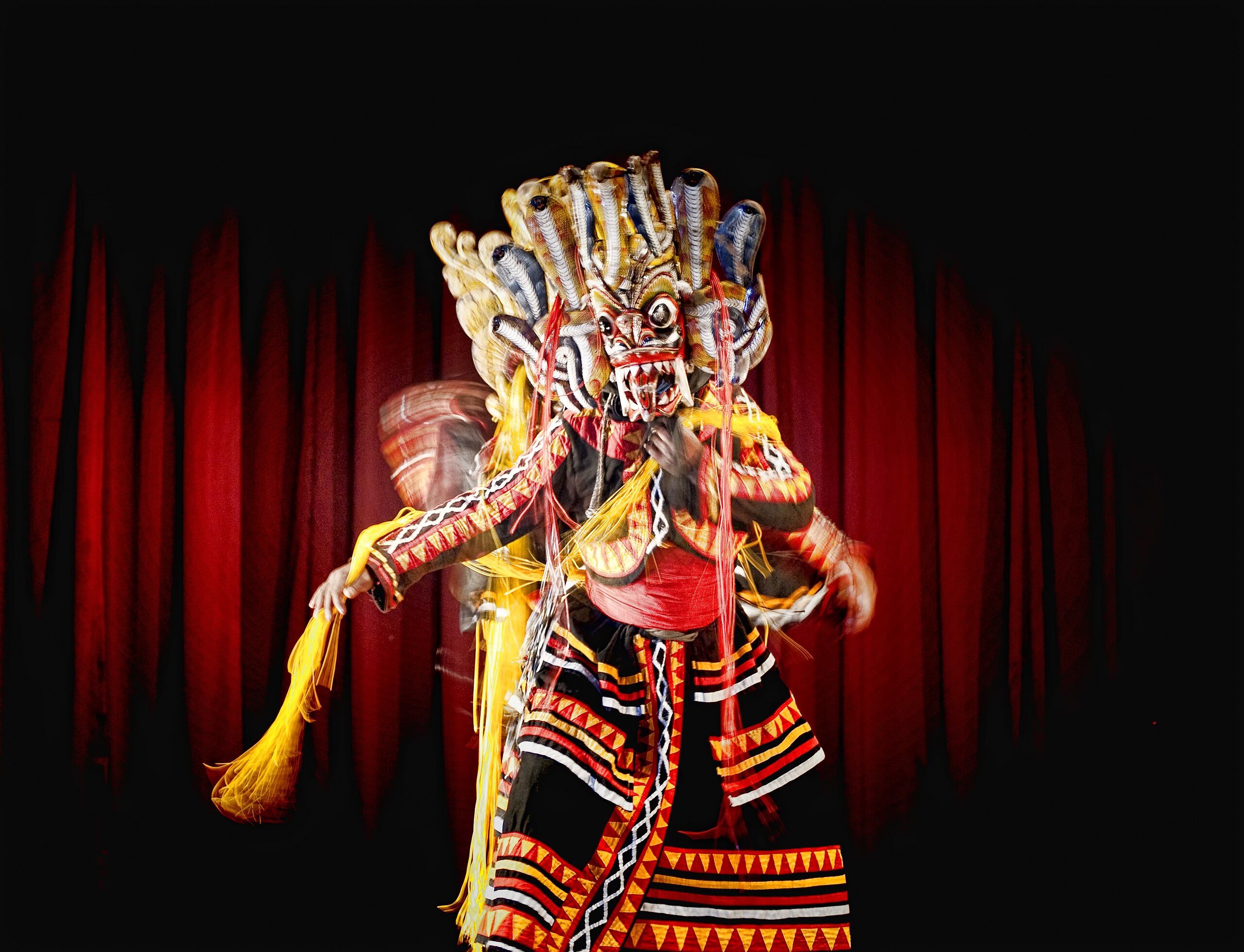

The Masked Dance Tradition
In parts of Sri Lanka, masked dances developed as ceremonial performances combining movement, rhythm, and storytelling. These dances were performed within communities as a way to express cultural beliefs, shared history, and ideas of balance and wellbeing.
In parts of Sri Lanka, masked dances developed as ceremonial performances combining movement, rhythm, and storytelling. These dances were performed within communities as a way to express cultural beliefs, shared history, and ideas of balance and wellbeing.
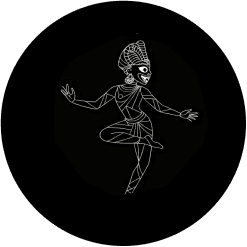
Becoming the Character
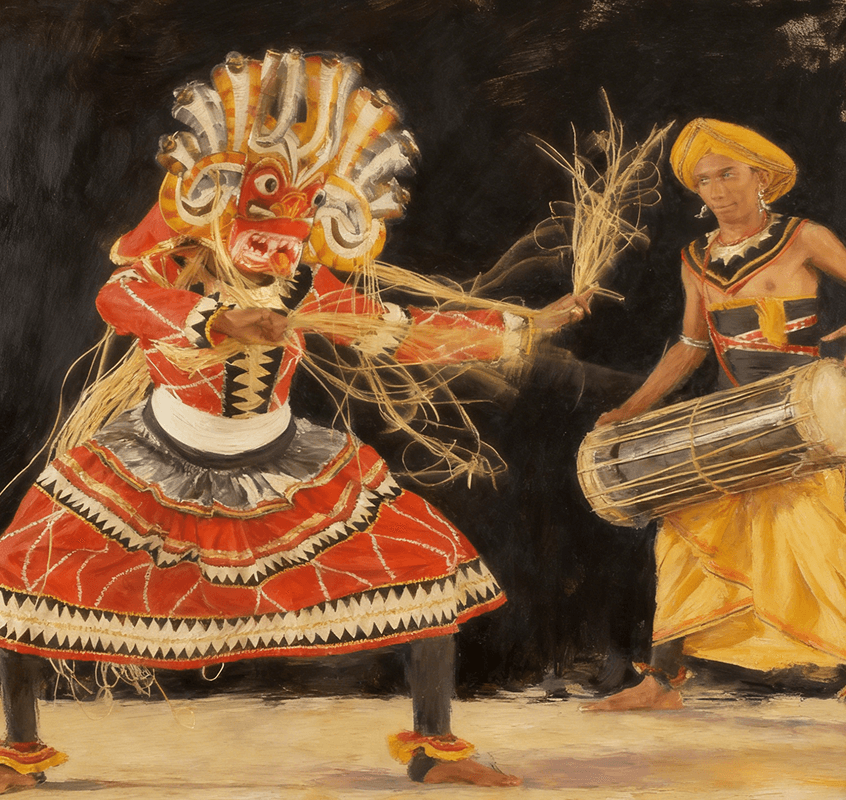
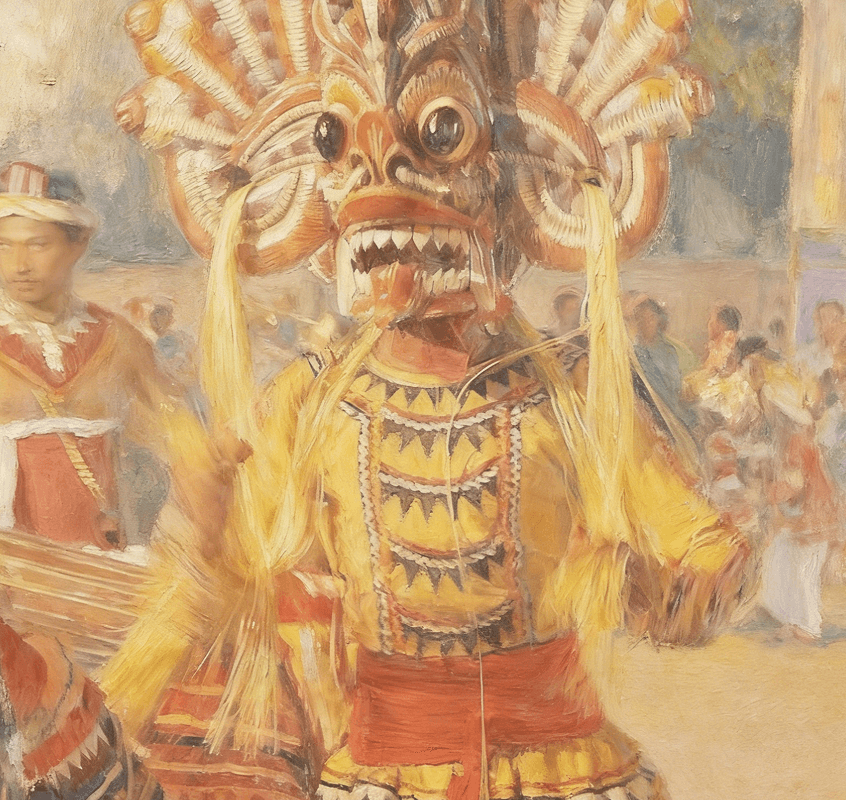
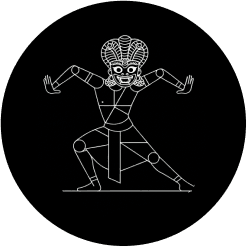
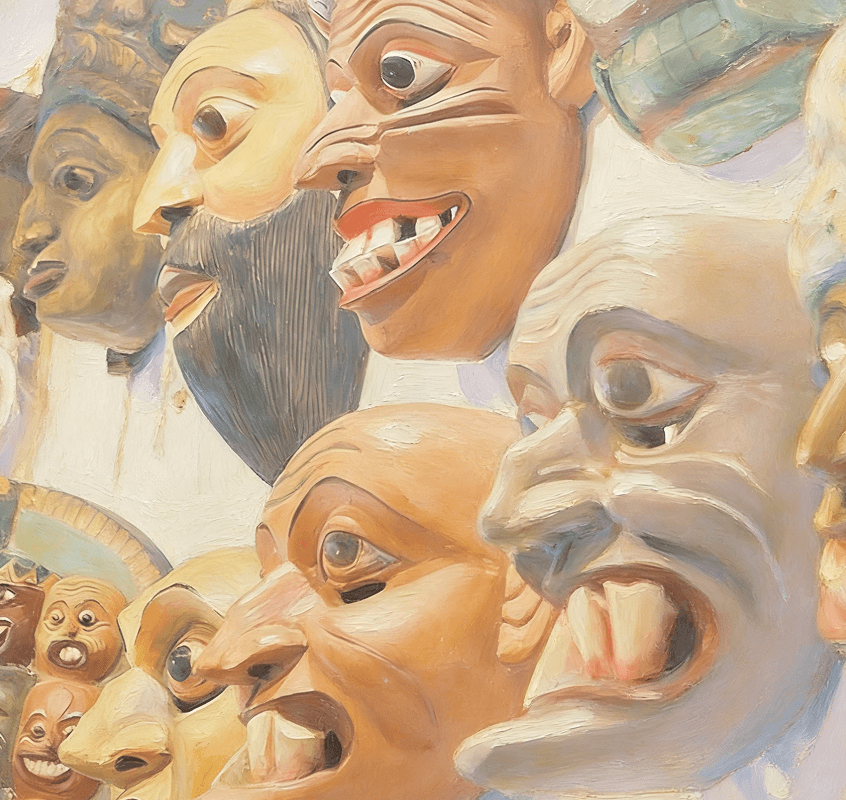
Raksha masks are worn during the dance to represent powerful characters or spirits. When worn, the mask allows the dancer to take on a new presence, transforming the performance into a visual and symbolic experience rather than a personal one.
Raksha masks are worn during the dance to represent powerful characters or spirits. When worn, the mask allows the dancer to take on a new presence, transforming the performance into a visual and symbolic experience rather than a personal one.
Drums, Motion, and Energy
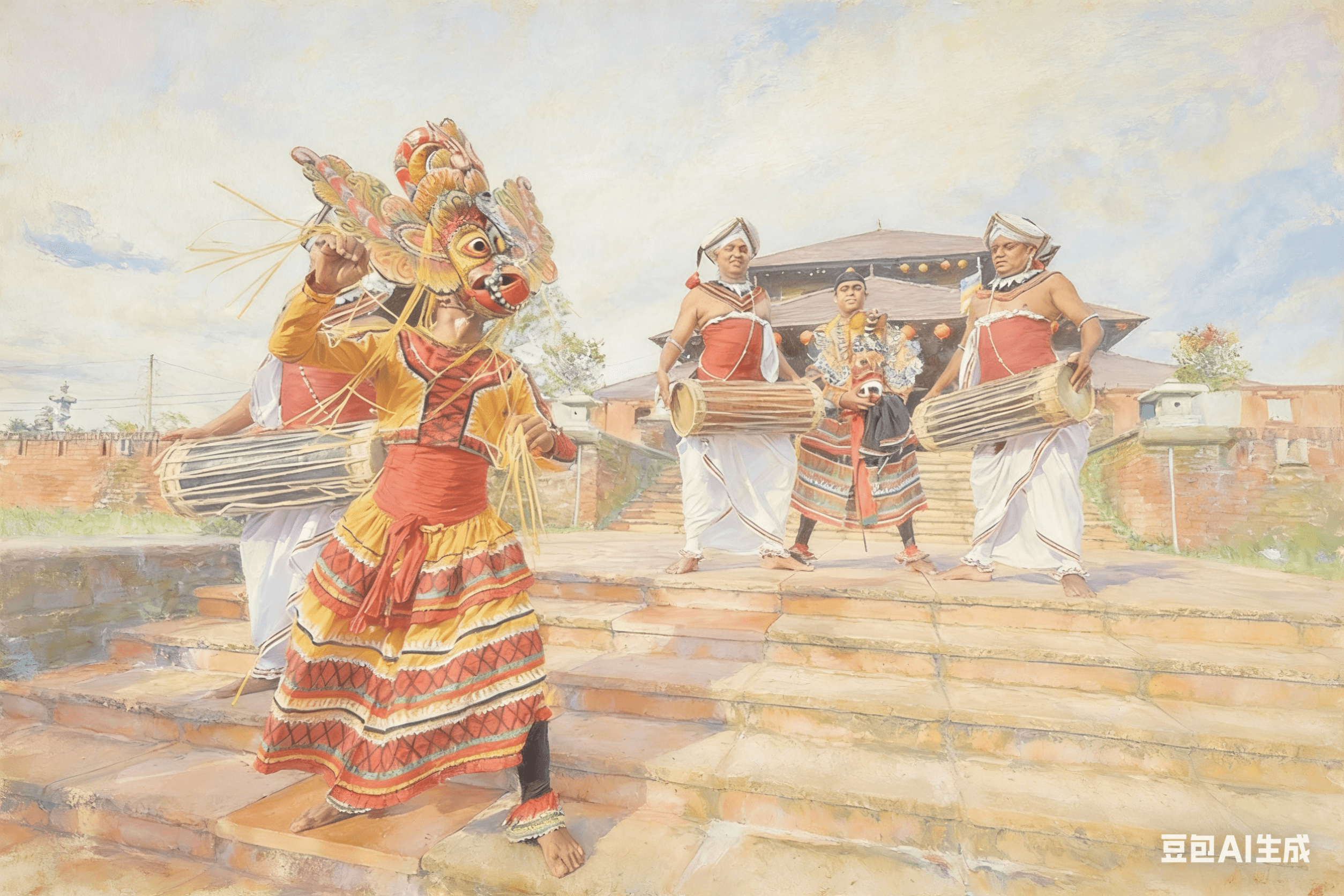
The dance is driven by traditional drumming, with strong rhythms guiding the dancer’s movements. Each step, gesture, and pause is intentional, creating a performance that feels physical, focused, and immersive.
The dance is driven by traditional drumming, with strong rhythms guiding the dancer’s movements. Each step, gesture, and pause is intentional, creating a performance that feels physical, focused, and immersive.
From Ritual to Cultural Art
Over time, these masked dances have evolved from ceremonial practices into recognized cultural performances. Today, they are preserved through festivals, artisans, and performers who continue to pass down the craft and movement traditions.
Over time, these masked dances have evolved from ceremonial practices into recognized cultural performances. Today, they are preserved through festivals, artisans, and performers who continue to pass down the craft and movement traditions.